
The True Cost of Adopting and Keeping a Cat
(What to Expect Before You Bring One Home)
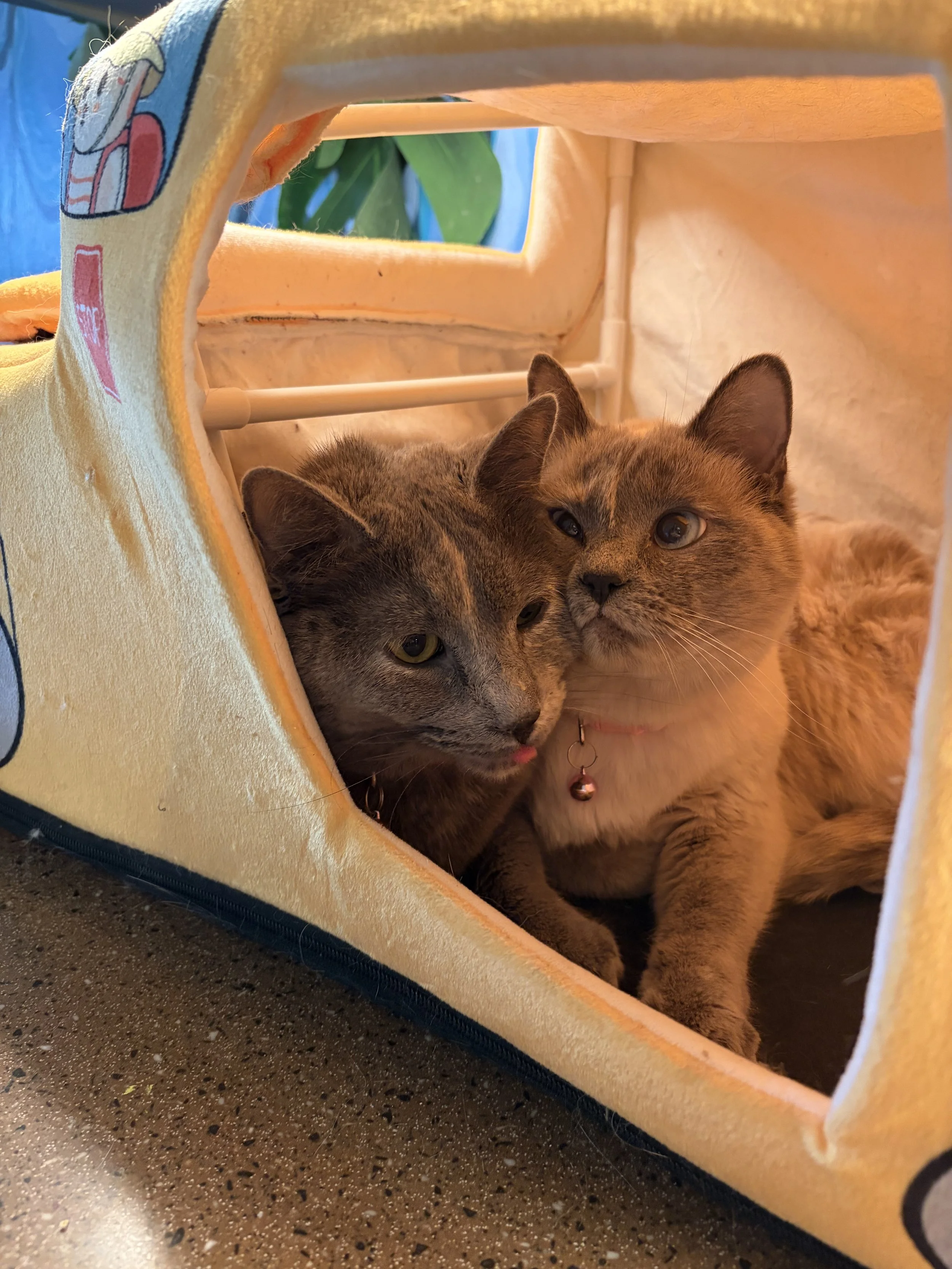
Adopting a cat is emotionally rewarding, but it also comes with financial responsibilities. This post breaks down the typical costs—one-time, monthly, yearly, and unexpected—so you can plan responsibly and enjoy pet ownership without financial surprises.
One-time and Upfront Costs
Adoption/rescue fee: $0–$400 (shelters/rescues usually include basic vetting; purebred or breeder fees higher: $300–$2,000+).
Spay/neuter (if not included): $50–$300.
Initial vaccinations and vet check: $75–$200.
Microchipping: $20–$50.
Basic supplies: $100–$300
Litter box(s), scoop(s)
Carrier
Bed(s)
Food/water bowls
Basic toys, scratching post/tree
Grooming brush, nail clippers
Initial food purchase: $20–$60.
Pet-proofing and home setup: $0–$200 (cord covers, window screens, safe plants removal).
Estimated total upfront: $300–$1,500 for a shelter cat; more if you buy a pedigree or purchase additional premium items.
Ongoing Monthly Costs
Food: $15–$60 (depends on brand, wet vs dry, life stage).
Litter: $10–$30.
Preventive meds (flea/tick, deworming): $5–$25.
Pet insurance premiums (optional): $10–$50 (age, plan, deductible vary).
Routine treats/toys/replaceables: $5–$20.
Misc (cat sitter, boarding, grooming if needed): variable.
Estimated monthly average: $45–$185.
Annual and Periodic Costs
Annual vet visit + vaccinations: $60–$200.
Dental care (professional cleaning may be periodic): $200–$800 if needed.
Yearly parasite testing or additional vaccines: $20–$100.
Replacement of major gear (scratching posts, carriers every few years): $20–$200.
License fees (where required): $5–$20.
Estimated annual total (excluding emergencies): $300–$1,200.
Emergency and Unexpected Costs
Acute illness or injury: $500–$2,000+ depending on condition (surgery, hospitalization).
Chronic conditions (diabetes, CKD, hyperthyroidism): ongoing meds and monitoring can add $300–$2,000+ per year.
End-of-life care and euthanasia: $50–$300, cremation/private burial extra.
Tip: An emergency fund of at least $500–$1,500 or pet insurance can reduce financial stress during crises.
Lifespan and Long-term Outlook Cats commonly live 12–20+ years. Budgeting should consider long-term costs: increasing vet needs with age, possible dietary or medication expenses, and end-of-life costs.
Ways to Reduce Costs Without Sacrificing Care
Adopt from shelters/rescues (often include initial vetting).
Compare food options—quality matters, but mid-range diets are often best value.
Preventive care reduces emergency risk (vaccines, parasite prevention, dental care).
Consider pet insurance early (cheaper when cat is young and healthy).
DIY grooming, toy-making, and stain cleanup.
Use multi-cat litter strategies or bulk buying to save.
Community resources: low-cost clinics, vaccine clinics, assistance programs.
Sample Budget Scenarios (Year 1 vs Subsequent Years)
Minimal-cost shelter cat (Year 1): Upfront $350 + monthly $60 -> Year 1 ≈ $1,070.
Mid-range care (Year 1): Upfront $800 + monthly $120 -> Year 1 ≈ $2,240.
Higher-care or insured cat (Year 1): Upfront $1,200 + monthly $180 -> Year 1 ≈ $3,360.
Subsequent years (typical): $300–$1,800 depending on care level and emergencies.
Plan for both routine and unexpected costs. If budget is tight, consider fostering first, adopt from a shelter, and save a small emergency fund. Responsible budgeting ensures your cat gets the care they need and keeps your home and finances stable.
